
Multidisciplinary Treatments for Acute & Chronic Pain
Multidisciplinary treatment for acute and chronic pain brings multiple healthcare services together under one roof to support more complete recovery. Instead of treating pain from only one angle, this model combines different therapies and clinical perspectives to improve diagnosis, treatment planning, and long-term outcomes. It is especially useful for patients with persistent pain, complex injuries, or conditions affecting multiple areas of function.
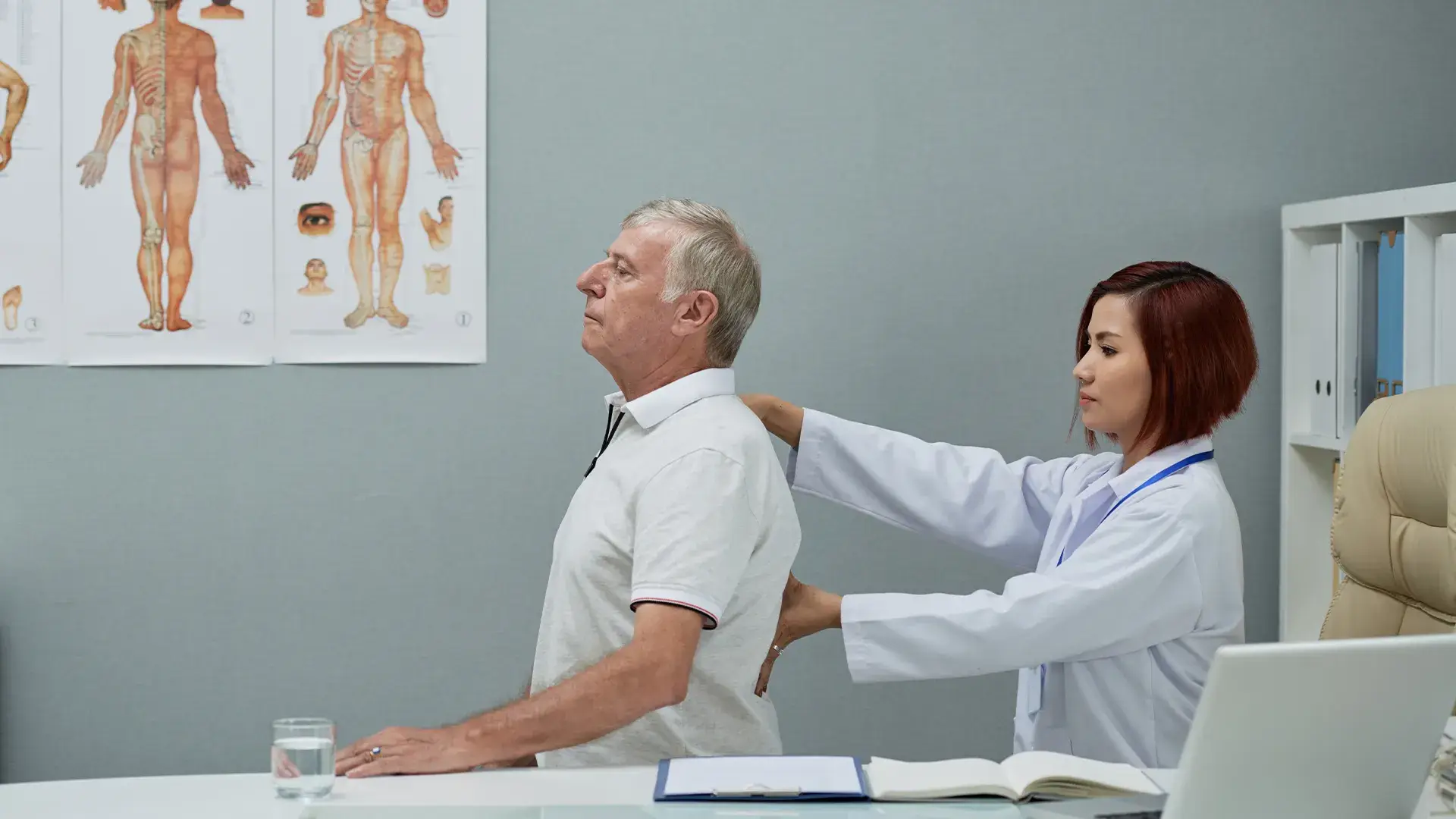
What conditions does it treat?
This approach can help treat acute injuries, chronic pain conditions, back and neck pain, joint dysfunction, soft tissue injuries, headaches, nerve-related pain, and post-accident or workplace injuries. It is also beneficial when pain is affecting movement, sleep, work, daily activity, or mental and physical well-being over time. Patients with more complex cases often benefit from coordinated care rather than isolated treatment.
More About Multidisciplinary Pain Treatment
Acute and chronic pain often involve more than one contributing factor, which is why single-service treatment is not always enough. A multidisciplinary approach allows different professionals to address pain, mobility, function, and recovery together.
This model is particularly valuable for patients who need structured rehabilitation or who have not improved with limited or isolated care in the past. The goal is to provide coordinated treatment that is practical, individualized, and focused on meaningful recovery.

Frequently Asked Questions
It means your care may involve more than one type of provider working together as part of one recovery plan.
Patients with chronic pain, complex injuries, accident-related conditions, or multiple overlapping symptoms often benefit the most.
Not always, but many patients do benefit from combined care depending on their condition.
Because pain can have multiple causes, coordinated care often provides a more complete and effective treatment plan.